

Getting the Root Problem Under Control for Lasting Results
Regrowth happens when part of the stump or root system stays alive after a tree is cut down. A stump removal service helps prevent this by taking out the stump, breaking up key roots, and stopping new shoots from feeding on stored energy underground. In many yards, this is the best way to avoid repeat growth, extra trimming, and damage to grass or nearby hardscape.
Why Prevention Matters
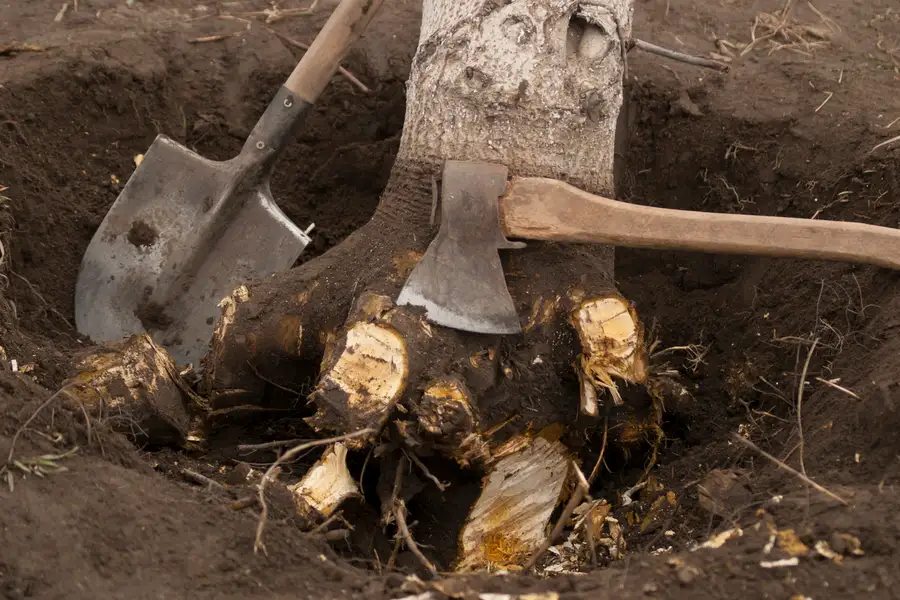
A tree stump may look dead on the outside, but that is not always the case. Many stumps still hold moisture and stored nutrients. That leftover energy can push out small shoots around the stump or even several feet away. Over time, those shoots can become a messy cluster of weak new growth. This makes the yard harder to mow and can lead to more root spread below the surface.
Using a stump removal service early can stop that cycle. Instead of cutting sprouts again and again, the main source of the problem is removed. This is often part of proper tree care and helps a yard stay cleaner and safer.
Early Warning Signs
Regrowth usually starts with small clues. If you spot them early, you can act before the problem gets worse. Some signs show up within weeks. Others may take a full season.
- Small green shoots growing from the top of the stump
- Thin sprouts popping up in a ring around the old tree base
- New growth appearing in the lawn near the old root path
- A stump that still looks moist or soft inside
- Fast-growing suckers that return after trimming
If you keep cutting these sprouts at ground level, they may still come back. That is because the root system may still be alive below the soil.
Seasonal or Routine Checklist
A simple yard check can help you catch regrowth before it spreads. This is helpful after storm damage, tree removal, or older stump grinding work.
- Walk the area once a month during the growing season.
- Check the stump surface for fresh buds or green shoots.
- Look for scattered sprouts in nearby mulch, beds, or grass.
- Watch for uneven ground that may hide old root flare areas.
- Keep photos so you can see if growth is spreading.
- Schedule follow-up help if shoots return after removal work.
This routine does not take long, but it can save a lot of trouble later.
Best Practices for Long-Term Results
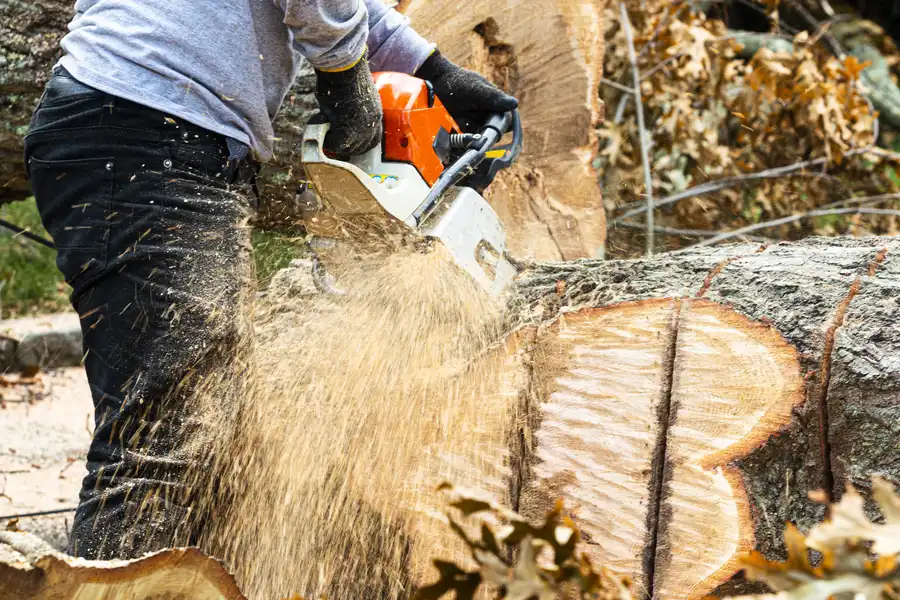
The most effective way to stop regrowth is to deal with both the stump and the root source that supports it. A stump removal service may use stump grinding, full removal, or another method based on the tree type, stump size, and location. The goal is to remove enough of the living material so the stump cannot keep feeding new shoots.
Depth matters. If only the top is shaved down, live tissue may remain. Root pattern matters too. Some tree types send up suckers from roots far from the stump. In those cases, removing visible wood alone may not solve the issue. Soil cleanup, root review, and site grading can all help improve the result.
Good long-term results often come from:
- Removing the stump below the surface line
- Breaking up major roots tied to the stump
- Clearing loose wood chips if they are too thick
- Filling and leveling the area after the work
- Watching the site for a short time after removal
These steps lower the chance that the old tree will try to come back.
What Not to Do
Some quick fixes sound easy but do not solve the real problem. Repeated trimming of sprouts may make the yard look better for a short time, but it usually does not stop the root system. Leaving a stump to rot on its own can also take years, and some species keep sending up growth during that time.
It is also a bad idea to damage the area with random digging. That can harm pipes, irrigation lines, fencing, or nearby plants. Using the wrong machine can leave a stump partly intact and still active. Another common mistake is covering the stump with soil or mulch and hoping it dies faster. In many cases, that just hides the problem.
When to Schedule Professional Help
Some stump issues are simple. Others need trained help. If a stump is close to a driveway, patio, utility line, or foundation, careful removal matters. The same is true if shoots keep returning after past work. A stump removal service can check the stump size, wood condition, root spread, and access to the area before choosing the right method.
You may want professional help if:
- the stump is large or very old
- regrowth keeps coming back every season
- the roots are lifting pavement or edging
- the stump sits near plumbing or buried lines
- you want to reseed or replant the area soon
Fast action can also cut down on pest issues. Old stumps can attract insects, hold moisture, and get in the way of normal yard use. Removing them fully gives the space a fresh start.
Ready to Stop Regrowth for Good
If you are dealing with repeat sprouts in Santa Rosa, CA, we can help inspect the stump and explain the next step. At Alcazar Tree Service LLC, we focus on clear answers and solid work that supports long-term yard health. Call us at (707) 907-1848 to talk with our team and set up help when you are ready.