

What Trained Crews Check When a Tree May Need Fast Action
Arborists decide if a tree needs emergency tree removal by checking how stable it is, how much damage it has, what risks are nearby, and whether it can still be saved. They look at the trunk, roots, limbs, lean, soil, and signs of decay. They also check homes, cars, power lines, and walkways around the tree. In Santa Rosa, CA, this kind of fast review helps people act before a fallen tree causes more harm.
Quick Answer
When arborists review a tree during an urgent call, they start with safety. They want to know if the tree could fall soon or drop large limbs. A split trunk, lifted roots, fresh lean, storm damage, or deep cracks often point to a high risk. If the tree cannot be made safe with pruning or support, emergency tree removal may be the best next step.
What You Need Before Starting
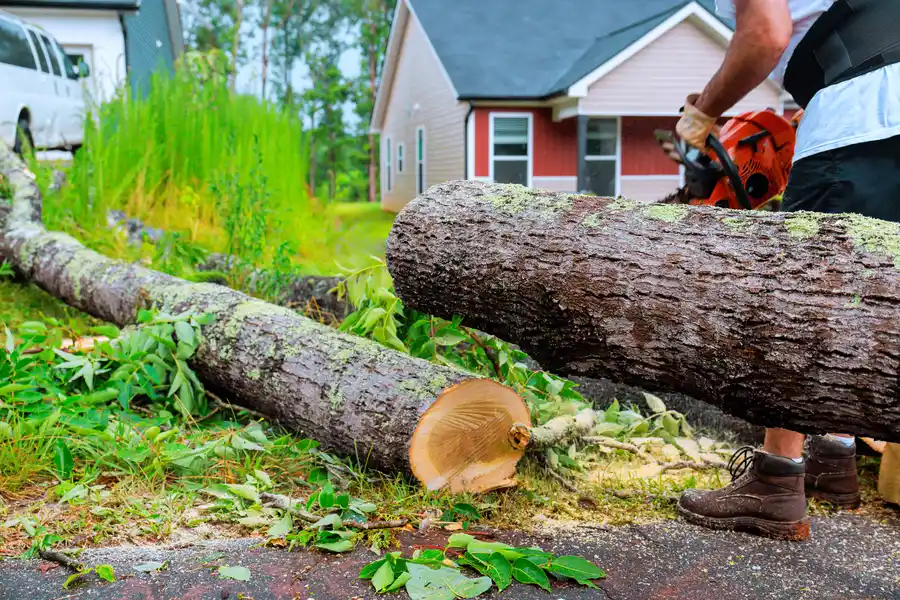
Before a tree expert begins the review, a few basic facts help speed things up. The goal is to give a clear picture of what happened and what is in danger. This is helpful after storms, high winds, heavy rain, or a vehicle hit. It also helps with any service category work tied to storm cleanup and site safety.
- The time the damage happened
- Any sounds like cracking or popping
- Photos from a safe distance
- Notes about power lines, fences, roofs, or blocked drives
- Any change in the tree’s lean
- Whether roots are lifting from the ground
People should never walk under a hanging limb or a tree that has shifted. Even a tree that looks still can move without warning.
Step-by-Step Process
Most arborists follow a simple process to judge risk and choose the safest fix. They move from the big picture to close-up details.
- Check the area around the tree. They look for targets like homes, cars, sheds, sidewalks, and utility lines.
- Study the lean. A tree that suddenly tilts after a storm is more risky than a tree that has leaned the same way for years.
- Inspect the roots. Lifted soil, broken roots, and loose ground can mean the tree is losing support.
- Review the trunk. They check for splits, cavities, decay, fresh cracks, peeling bark, and weak branch unions.
- Look at the crown. Broken tops, hanging branches, or uneven weight can change how force moves through the tree.
- Check species and health. Some trees break more easily, while others rot from the inside before showing clear outside damage.
- Pick the safest action. That may be pruning, cabling, blocking off the area, or emergency tree removal.
Arborists also think about weather. If more wind or rain is coming, a tree that seems borderline can become more dangerous in a short time.
Common Mistakes to Avoid
Many people make a fast choice based only on what they can see from one angle. That can lead to trouble. A tree may have hidden root damage on the far side or inner decay that weakens the trunk.
- Assuming a green tree is a safe tree
- Ignoring small ground cracks near the base
- Trying to cut a hanging limb alone
- Parking under a damaged canopy
- Waiting too long after storm damage
- Using a ladder near a split or leaning tree
Another common mistake is thinking every damaged tree must come down. Some trees can be saved with pruning or support work. The point of the inspection is to sort out what is unsafe right now and what can recover.
When to Call a Professional
Call a professional right away when the tree threatens people or property. Fast help matters if a trunk has split, roots are lifting, or a large branch is hanging over an entry, driveway, or roof. The same is true if a tree is touching utility lines. In that case, people should stay back and call the power company and a trained tree crew.
Here are clear signs that an expert should inspect the tree as soon as possible:
- The tree leans more after a storm
- Soil is heaving around the base
- A main limb has cracked but not fallen
- The trunk has a long vertical split
- The tree hit a structure or was hit by a vehicle
- Large dead wood is breaking free
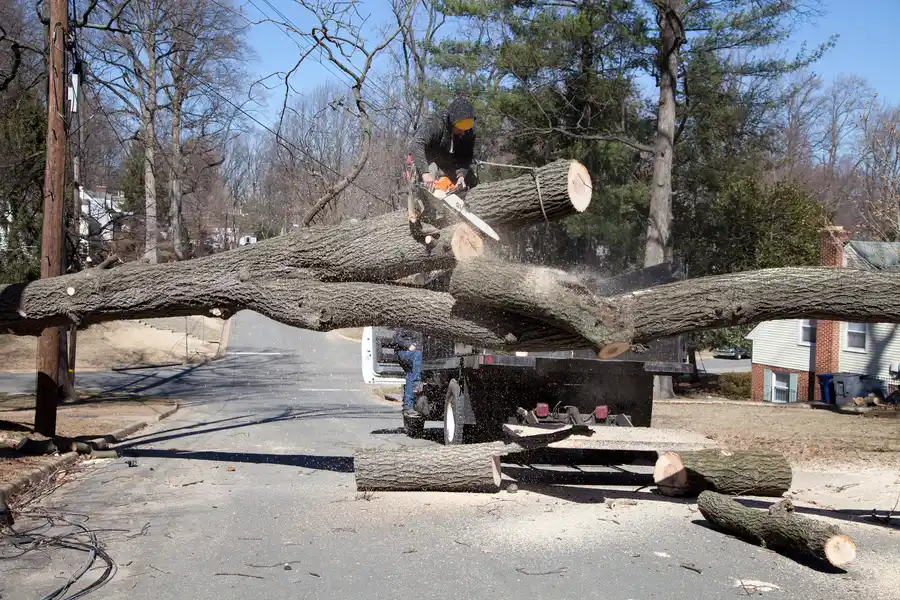
Emergency tree removal often calls for special tools, rigging, and traffic or site control. This is not a safe do-it-yourself job when the tree is unstable. A trained crew can review the site, lower pieces in a controlled way, and help prevent added damage.
Final Recommendation
If a tree shows fresh damage, movement, or major decay, get it checked quickly. The sooner an arborist sees it, the easier it is to judge the risk and choose the right fix. Some trees need monitoring, some need pruning, and some need emergency tree removal before weather makes the problem worse. If you are in Santa Rosa, CA and a tree looks unsafe, call us for guidance. At Alcazar Tree Service LLC, we can inspect the damage, explain the safest next step, and you can reach us at (707) 907-1848 to schedule help.